
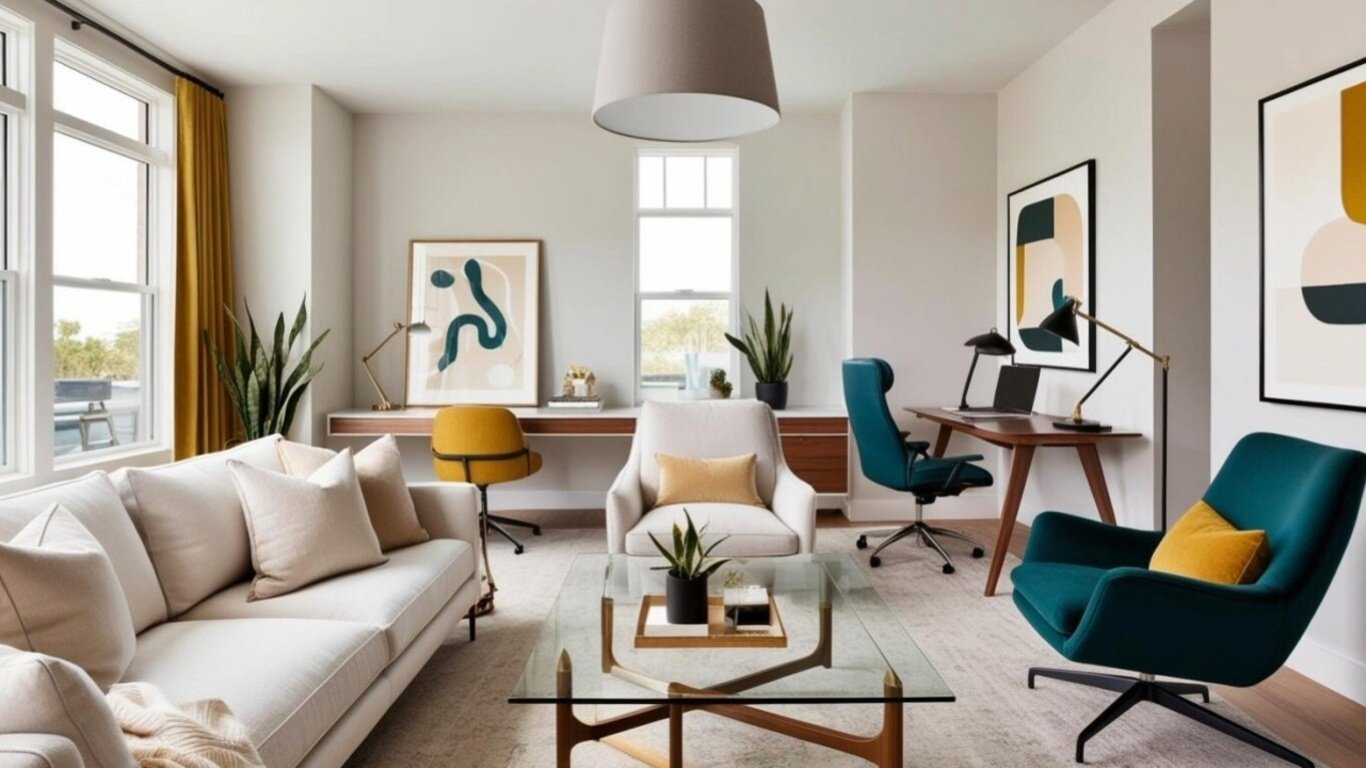
Interior design is more than decorating a room—it's the art and science of creating spaces that are both visually appealing and highly functional. Whether designing a modern home, a luxury apartment, or a commercial office, thoughtful interior design enhances comfort, improves productivity, and reflects the personality and lifestyle of its occupants.
A successful interior design project begins with understanding the client's needs, preferences, and the purpose of the space. Designers carefully plan layouts, select color palettes, choose materials, and incorporate lighting to create balanced and harmonious interiors. Every element, from furniture placement and flooring to wall finishes and decorative accessories, contributes to the overall experience of the space.
Modern interior design emphasizes clean lines, open layouts, natural lighting, and sustainable materials. Smart home technology, energy-efficient lighting, and eco-friendly finishes have become essential components of contemporary interiors. These features not only improve convenience but also reduce environmental impact and long-term maintenance costs.
Residential interior design focuses on creating warm, comfortable, and personalized living spaces. Living rooms are designed to encourage relaxation and social interaction, bedrooms prioritize comfort and tranquility, kitchens combine functionality with style, and bathrooms are transformed into spa-like retreats with elegant fixtures and premium finishes.
Commercial interior design, on the other hand, prioritizes productivity, branding, and customer experience. Offices are designed to support collaboration and employee well-being, while retail stores, restaurants, hotels, and healthcare facilities use strategic layouts and visual elements to create memorable experiences for visitors.
Lighting plays a vital role in interior design. A well-planned combination of ambient, task, and accent lighting enhances the mood, highlights architectural features, and improves usability. False ceilings, decorative fixtures, and natural daylight integration further elevate the overall design.
Material selection is equally important. Wood, marble, stone, glass, metal, and textured finishes each bring unique character and durability to a space. Combining these materials thoughtfully creates interiors that are timeless, elegant, and practical.
Ultimately, interior design is about creating environments that improve quality of life. By blending creativity with functionality, designers transform ordinary spaces into inspiring places that meet modern lifestyle needs while maximizing comfort, beauty, and efficiency.